Air comes in low and leaves high
Your attic is meant to move air. Outside air comes in through vents in the soffit, moves up along the underside of the roof deck, and leaves through vents near the top of the roof. Warm air rising and wind moving across the roof keep that flow going.
Soffit vents are the intake side of that system. They can be perforated aluminum or vinyl panels, a continuous strip vent, or small screened vents cut into wood soffit on an older home. Exhaust vents up top can only move air that has a way in, so the whole setup depends on that intake staying open.
What attic airflow does for the house
In winter, moving air helps keep the roof deck close to the outdoor temperature, so less snow melts from below, as long as house heat isn't leaking into the attic in the first place. When warm air is trapped against the roof, the snow melts from underneath, and the water freezes again when it reaches the eave, where it builds into an ice dam.
Airflow also carries off moisture, since warm, damp air from showers and cooking drifts up into the attic even in a climate as dry as ours. Clear Front Range nights chill the roof deck fast, so moisture that can't get out collects as frost on the underside of the roof, then melts and drips onto the insulation when the sun warms the shingles. A bath fan should vent outdoors, and one that empties into the attic adds to the problem.
The same flow helps in summer by letting some of the heat that builds up under the shingles escape instead of sitting over your ceilings.
How soffit vents get blocked
Some houses were built with little or no soffit venting. On others the vents are there but pass very little air, usually for one of these reasons:
- Insulation pushed into the eaves. Blown-in insulation added over the years can drift out to the edge of the attic and pack against the back of the vents. Many attics have baffles, channels fitted between the rafters at the eaves that hold insulation back and keep an air path open. When they're missing or crushed, that path closes.
- Paint. A repaint that rolls or sprays right over perforated panels or vent screens fills the holes. On older ranches around the north metro with wood soffit and small screened vents, decades of repainting can close those screens off.
- Solid panels where vents should be. A patch done with whatever material was handy, or a stretch of solid soffit on an addition, can leave part of the eave with no intake at all.
- Nests and debris. Wasp nests and bird nesting material can plug individual vents, especially the small round or rectangular kind.
Signs your attic is running warm or damp
Poor airflow leaves clues, some outside and some in the attic itself. If you can safely look into the attic with a flashlight, check where the roof meets the attic floor along the outside walls. Insulation packed tight against the underside of the roof there, with no baffle or open gap, means the intake is blocked. Other signs to watch for:
- Heavy icicles and ice dams along the eaves in winter
- Snow melting off the upper roof in patches while the neighbors' roofs are still white
- Frost on the underside of the roof deck, or on the nail tips poking through it, on cold mornings
- Dark stains on the roof sheathing, or insulation that looks damp or matted
- A musty smell when you open the attic hatch
- Soffit vents you can see from the ground that are painted shut, plugged, or missing
Have the whole system checked
Attic ventilation is a system: intake at the soffit, exhaust up high, insulation on the attic floor, and a ceiling that keeps house air from leaking into the attic. How much venting a given attic needs depends on the house, so have someone look at the whole picture before adding vents or closing any off.
Adding exhaust vents up top does little if the intake is blocked, and packing more insulation into the eaves makes the blockage worse. A roofer or an insulation contractor can check the attic side.
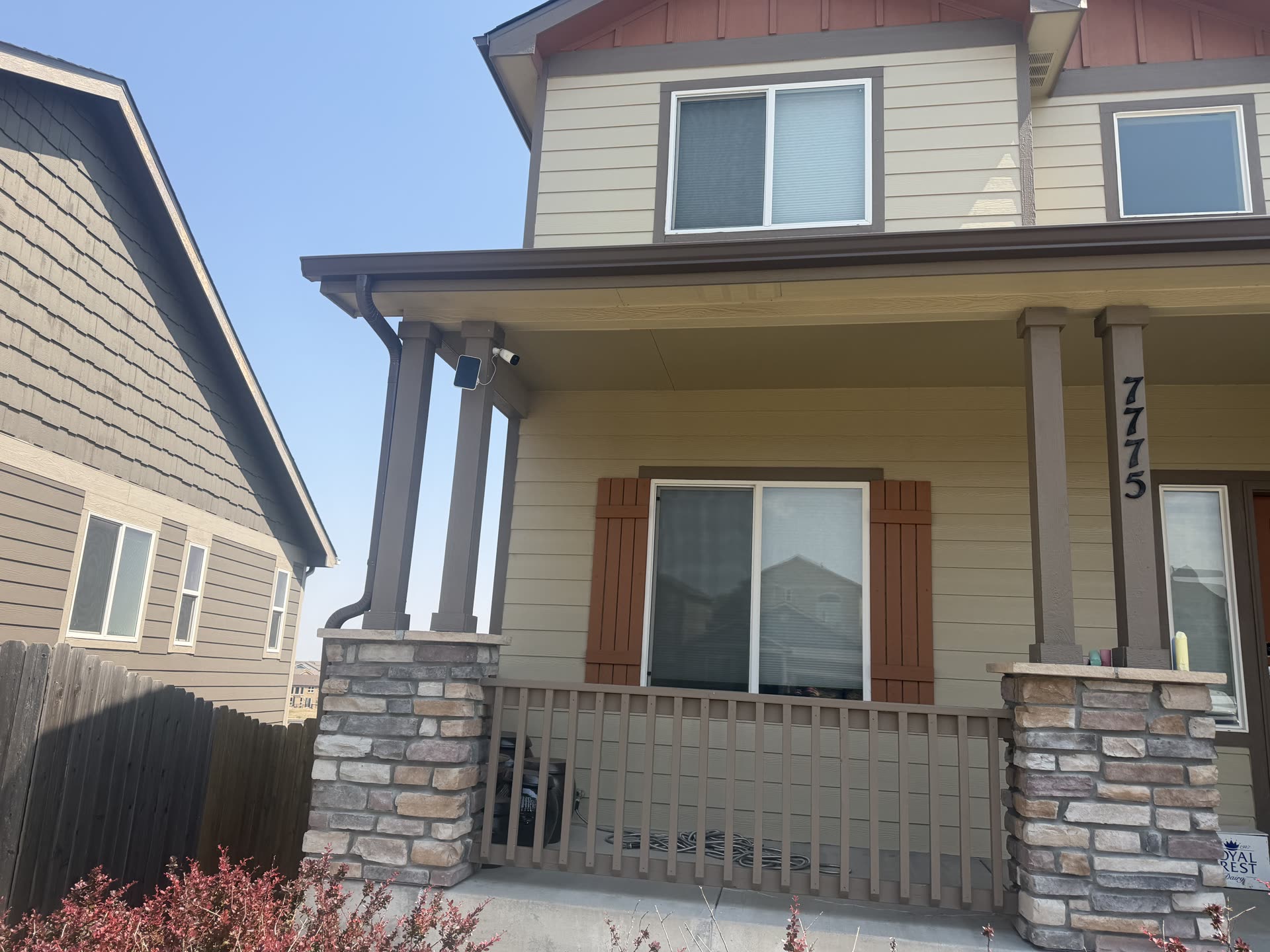
The soffit side is easier to see. Painted-shut or damaged panels and stretches of solid soffit are the part of the intake you can spot from the yard, and they can be repaired or replaced on their own.
Opening up the intake
When the soffit is the part holding your attic's airflow back, Ethan repairs the damaged sections or replaces the run with vented aluminum or vinyl soffit, keeping or adding vents so the attic breathes.
More articles
- Signs of Soffit Damage and What They MeanSagging panels, peeling paint, water stains, and chewed gaps all point to trouble at the eave. The water that rots soffit usually soaks the fascia above it first.
- What Causes Ice Dams, and How to Keep Them From StartingThe heat behind most ice dams leaks up from the rooms below, around recessed lights and the attic hatch, and through thin spots in the insulation.